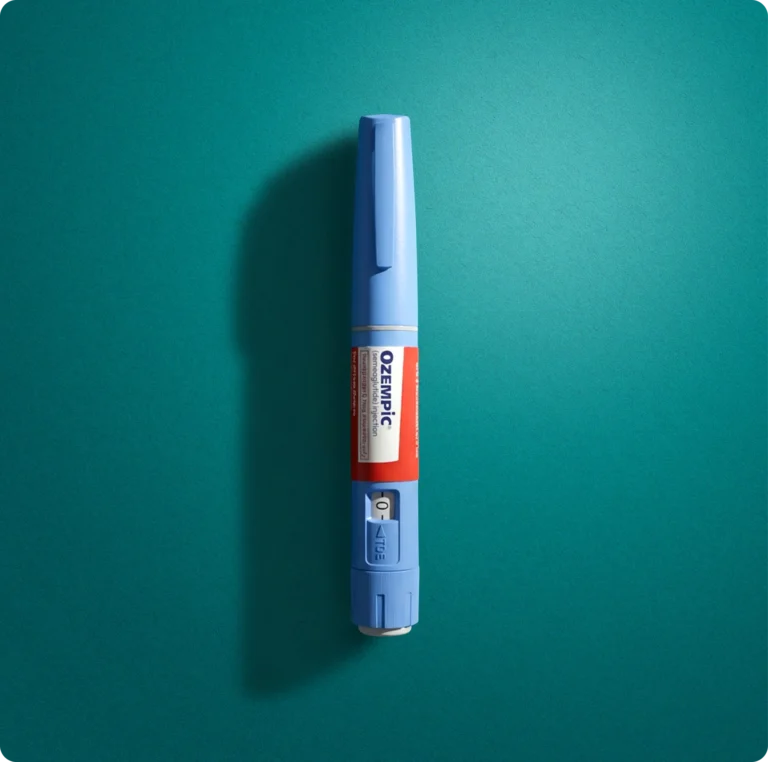
Ozempic is one of the best-known names in metabolic health, but the online conversation around it can make the basics harder to understand. It is discussed as a weight loss drug, a diabetes medication, a celebrity trend, and a long-term treatment option, sometimes all in the same sentence.
Here is the simpler version: Ozempic is a prescription medication for type 2 diabetes. It can also lead to meaningful weight loss for some people, but its official use, insurance coverage, and dosing are tied to diabetes care.
What is Ozempic?
Ozempic is a once-weekly injectable medication made by Novo Nordisk. Its active ingredient is semaglutide, a GLP-1 receptor agonist.
Ozempic is FDA-approved to help adults with type 2 diabetes improve blood sugar control. It is also approved to reduce the risk of major cardiovascular events in adults with type 2 diabetes and established cardiovascular disease. Current labeling also includes kidney-related risk reduction for adults with type 2 diabetes and chronic kidney disease.
The off-label weight loss reality
Ozempic is not the same as Wegovy, even though both contain semaglutide. Wegovy is the version specifically approved for chronic weight management. Ozempic is labeled for type 2 diabetes.
That said, semaglutide often reduces appetite and slows digestion, so weight loss can occur. Some clinicians may prescribe Ozempic off-label for weight management when they believe it is appropriate, but insurance coverage is much more difficult without a type 2 diabetes diagnosis.
How Ozempic works
Ozempic mimics GLP-1, a hormone your body naturally releases after eating. GLP-1 helps coordinate blood sugar, digestion, and appetite.
- Blood sugar support: Ozempic helps the pancreas release insulin when blood sugar is elevated and helps reduce excess glucose production by the liver.
- Appetite signaling: It acts on appetite pathways in the brain, which may reduce cravings and make smaller portions feel more satisfying.
- Slower digestion: It slows gastric emptying, so food stays in the stomach longer. That can help with fullness, but it can also contribute to nausea or reflux for some people.
Pros and cons
Potential benefits
- Strong diabetes data: Ozempic is well-established for improving A1C in adults with type 2 diabetes.
- Cardiovascular benefit for the right patients: For adults with type 2 diabetes and established cardiovascular disease, Ozempic has an approved cardiovascular risk-reduction indication.
- Weekly dosing: Many people find one injection per week easier than remembering multiple daily medications.
Potential drawbacks
- Digestive side effects: Nausea, vomiting, diarrhea, constipation, bloating, and reflux can happen, especially when starting or increasing the dose.
- Coverage issues for weight loss: Because Ozempic is labeled for type 2 diabetes, plans often deny coverage when it is prescribed only for weight management.
- Long-term treatment expectations: Ozempic helps manage metabolic signals while you are taking it. For many people, stopping treatment can lead to returning appetite signals, blood sugar changes, or weight regain.
Living with Ozempic
- Keep meals smaller and slower: Eating past fullness is one of the easiest ways to trigger nausea.
- Go easy on greasy meals: High-fat foods tend to sit heavily when digestion is slowed.
- Hydrate consistently: Water and electrolytes can help if you are dealing with constipation, vomiting, or diarrhea.
- Prioritize protein: A lower appetite can make it easy to undereat protein, which matters for energy and muscle maintenance.
Common questions
What is the difference between Ozempic and Wegovy?
Both contain semaglutide, but they are approved and packaged differently. Ozempic is approved for type 2 diabetes-related uses and is available in a multi-dose adjustable pen. Wegovy is approved for chronic weight management and uses higher weight-management dosing.
How does the Ozempic pen work?
Ozempic is typically supplied as a multi-dose pen. You attach a new needle tip, dial the prescribed dose, inject once weekly, remove the needle, and store the pen as directed.
What are the usual doses?
Many patients start at 0.25 mg once weekly for four weeks, then move to 0.5 mg once weekly. Depending on response and tolerability, a clinician may increase the dose to 1 mg or 2 mg once weekly.
Takeaway
Ozempic is not just a social media trend. It is a prescription medication with a specific role in type 2 diabetes care and, for some patients, broader metabolic benefits. The best results come from using it under medical supervision, understanding the side effects, and building habits that support the medication instead of fighting against it.