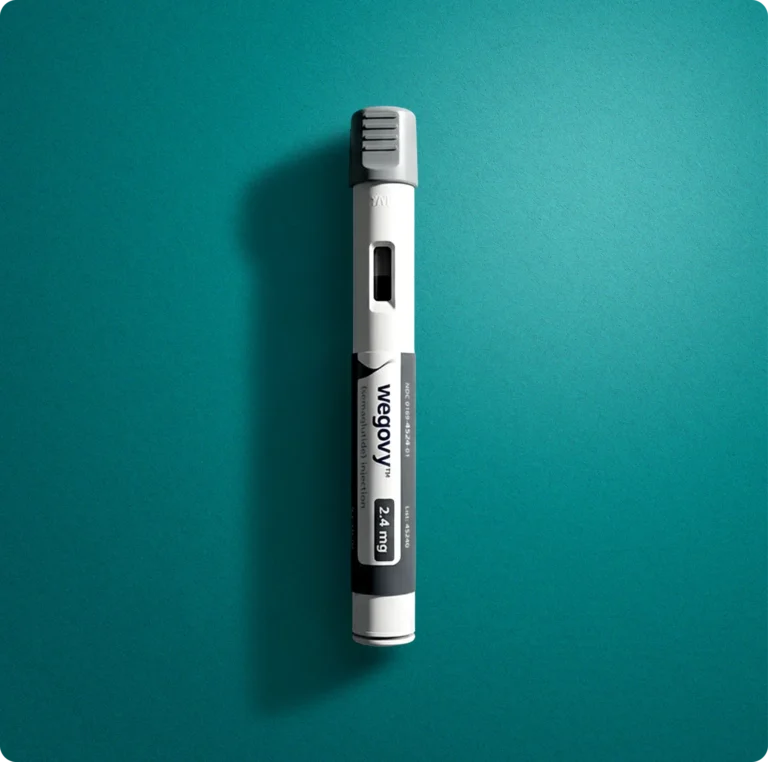
Wegovy is one of the best-known prescription medications in modern weight management, but the headlines can make it harder to understand what it actually does. It is not a shortcut or a celebrity trend. It is a medical treatment that affects appetite, digestion, and blood sugar signaling.
This guide explains what Wegovy is, who it is generally prescribed for, how it works, and what to expect if your healthcare provider recommends it.
What Exactly Is Wegovy?
Wegovy is an FDA-approved semaglutide medication used with diet and physical activity for chronic weight management in certain adults and children ages 12 and older. It may be prescribed for adults with obesity, or for adults who are overweight and have at least one weight-related condition, such as high blood pressure, high cholesterol, type 2 diabetes, or cardiovascular disease.
Semaglutide is also the active ingredient in Ozempic, but the two products are approved for different uses and come with different dosing and labeling. Ozempic is primarily used for type 2 diabetes. Wegovy is specifically labeled for chronic weight management and, in certain adults with established cardiovascular disease and obesity or overweight, for reducing the risk of major cardiovascular events.
How Wegovy Works
Wegovy belongs to a class of medications called GLP-1 receptor agonists. GLP-1 is a hormone your body naturally releases after eating. It helps signal fullness, supports insulin release when blood sugar is elevated, and slows how quickly food leaves the stomach.
Wegovy supports weight management in a few connected ways:
- It reduces appetite signals. Many people notice fewer persistent thoughts about food and less urge to snack between meals.
- It helps you feel full sooner. Because the stomach empties more slowly, smaller meals may feel more satisfying.
- It supports blood sugar regulation. Semaglutide helps the body respond more efficiently when glucose levels rise, which may also reduce some appetite swings tied to blood sugar changes.
Benefits and Trade-Offs
Potential Benefits
- Strong clinical results. In major trials, adults taking Wegovy lost a meaningful amount of body weight on average when the medication was paired with lifestyle changes.
- Cardiovascular risk reduction for some adults. Wegovy has an FDA-approved cardiovascular indication for adults with established cardiovascular disease and obesity or overweight.
- Weekly dosing. Many patients like that Wegovy is taken once a week instead of every day.
Possible Drawbacks
- Digestive side effects are common. Nausea, constipation, diarrhea, heartburn, vomiting, and bloating may happen, especially when starting or increasing the dose.
- Long-term use may be part of the plan. For many people, appetite and weight regain can return after stopping treatment. Your provider can help decide what maintenance should look like.
- Coverage can be difficult. Some plans cover Wegovy, while others require prior authorization or exclude weight-loss medications entirely.
Living With Wegovy
- Keep meals smaller and slower. Large portions can overwhelm a slower-moving stomach and increase nausea or reflux.
- Prioritize protein. Reduced appetite can make it easier to under-eat. Protein helps support muscle while losing weight.
- Hydrate consistently. Steady fluids can help with constipation, headaches, and general comfort.
- Stop at comfortable fullness. The old “clean your plate” habit can backfire quickly on GLP-1 therapy.
Frequently Asked Questions
Is Wegovy the same as Ozempic?
They contain the same active ingredient, semaglutide, but they are approved for different uses and have different dosing paths. Ozempic is labeled for type 2 diabetes. Wegovy is labeled for chronic weight management and certain cardiovascular risk reduction uses.
How is Wegovy taken?
Many patients use a once-weekly injection pen. Depending on current availability, indication, and prescribing guidance, oral semaglutide options may also be discussed with a healthcare provider. Follow the exact product instructions your provider and pharmacist give you.
What are the standard weekly injection doses?
A common injection schedule starts at 0.25 mg once weekly and gradually increases through 0.5 mg, 1.0 mg, and 1.7 mg before reaching the usual maintenance dose of 2.4 mg once weekly. Some patients remain at a lower dose longer if side effects are an issue.
The Takeaway
Wegovy is a well-studied GLP-1 medication that can support significant weight loss for appropriate patients, especially when paired with nutrition, movement, and medical follow-up. It is not magic, and it is not right for everyone. The best next step is a practical conversation with a qualified healthcare provider about your health history, goals, risks, coverage, and long-term plan.